New release!
A Quantum Way program
Transcending trauma
Understanding and healing trauma through IFS and neuroscience
with Dr. Frank Anderson, IFS expert trainer
12 modules – 8 hours and 40 minutes of content
IFS (Internal Family Systems) is an innovative therapeutic model developed by Richard Schwartz, PhD, and recognized for its effectiveness in treating trauma. Dr Frank Anderson, a psychiatrist and close collaborator of Dr Bessel van der Kolk, was one of the first people trained in IFS by Richard Schwartz more than 20 years ago. IFS quickly became central to his practice.
Combining scientific rigor and human warmth, Frank Anderson shares all his knowledge, blending neuroscience with IFS, while questioning the therapeutic approach. A dense and rich program, punctuated by meditations, clinical videos, and experiential practices, to accompany all types of trauma and more specifically complex trauma.
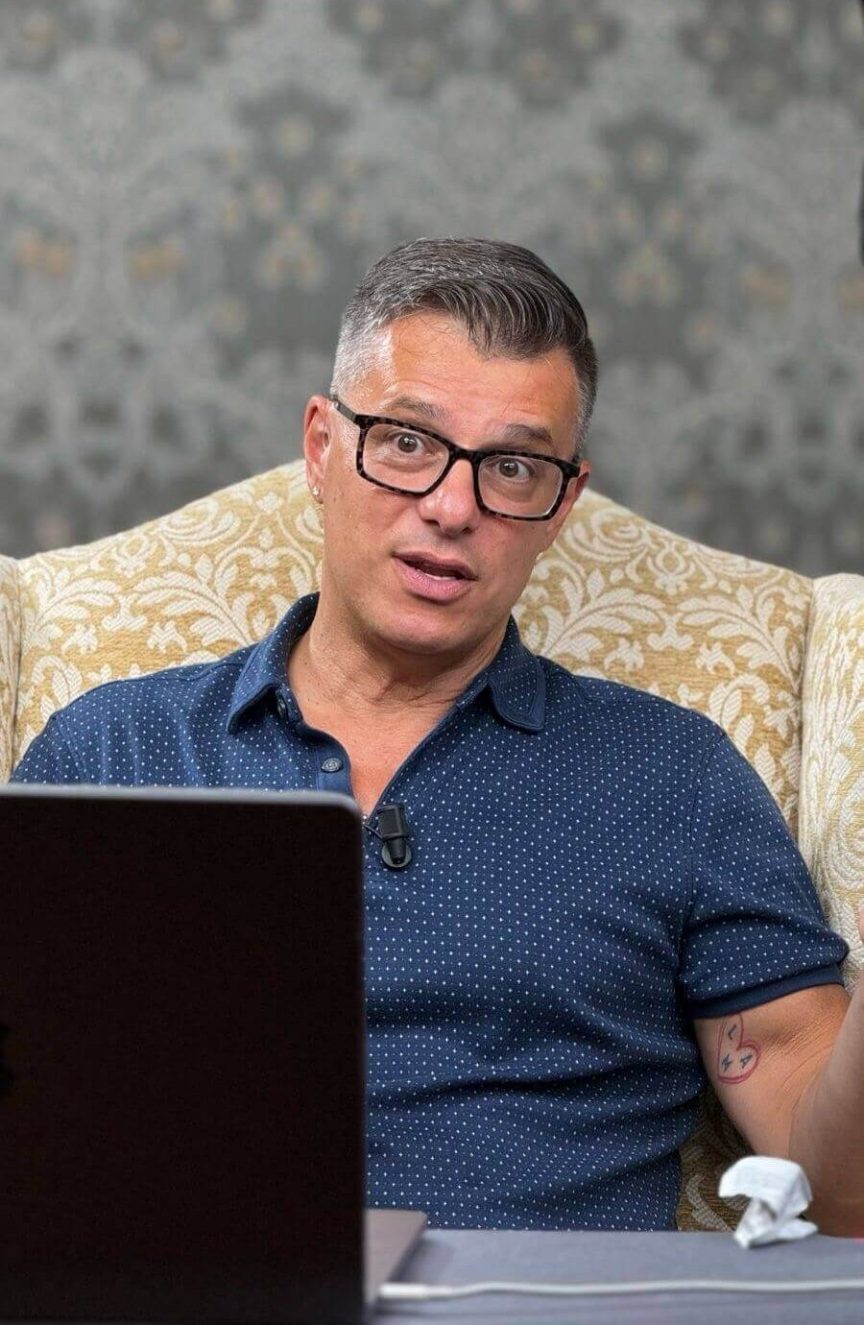
I’ve been working in the field of trauma since 1992 and have learned a great deal about the different ways of working with all types of trauma.
Trauma happens to everyone.
I believe that we all go through life-changing experiences.
I don’t think anyone is exempt, but the good news is that everyone can heal from trauma.
I’ve put everything into this program, absolutely everything! Everything I have understood, everything I have learned not only from my years of practice, but also from my personal experience.
I trust this program will give you hope, that it will allow you to gain new perspectives and to see in a different light the methods you’ve used throughout your career to work on trauma.
And I hope it will help you move forward, because many of us carry a lot of energy around traumas that are not our own. If we work together, we can help as many people as possible to free themselves from trauma.
It will change the world we live in.
I want to thank my family, specifically my husband and children, and my clients, from whom I have learned so much.
– Frank Anderson
Much more than a program: a complete immersion in IFS, trauma, and neuroscience
This program is not just a theoretical course; it’s truly an educational journey, a distillation of more than 20 years of clinical practice and teaching by one of the leading names in IFS therapy: Dr. Frank Anderson.
A dense, rich, and profound program: the most comprehensive overview of IFS and trauma ever offered.
Frank Anderson doesn’t just teach a model. He explores it in all its dimensions: clinical, neurobiological, relational, emotional, and even spiritual. With clarity and precision, he builds bridges between neuroscience, attachment theory, nervous system responses, pharmacology, and the complexity of trauma.
Frank Anderson says it himself: “I don’t think I’ve ever put so much into a program.”
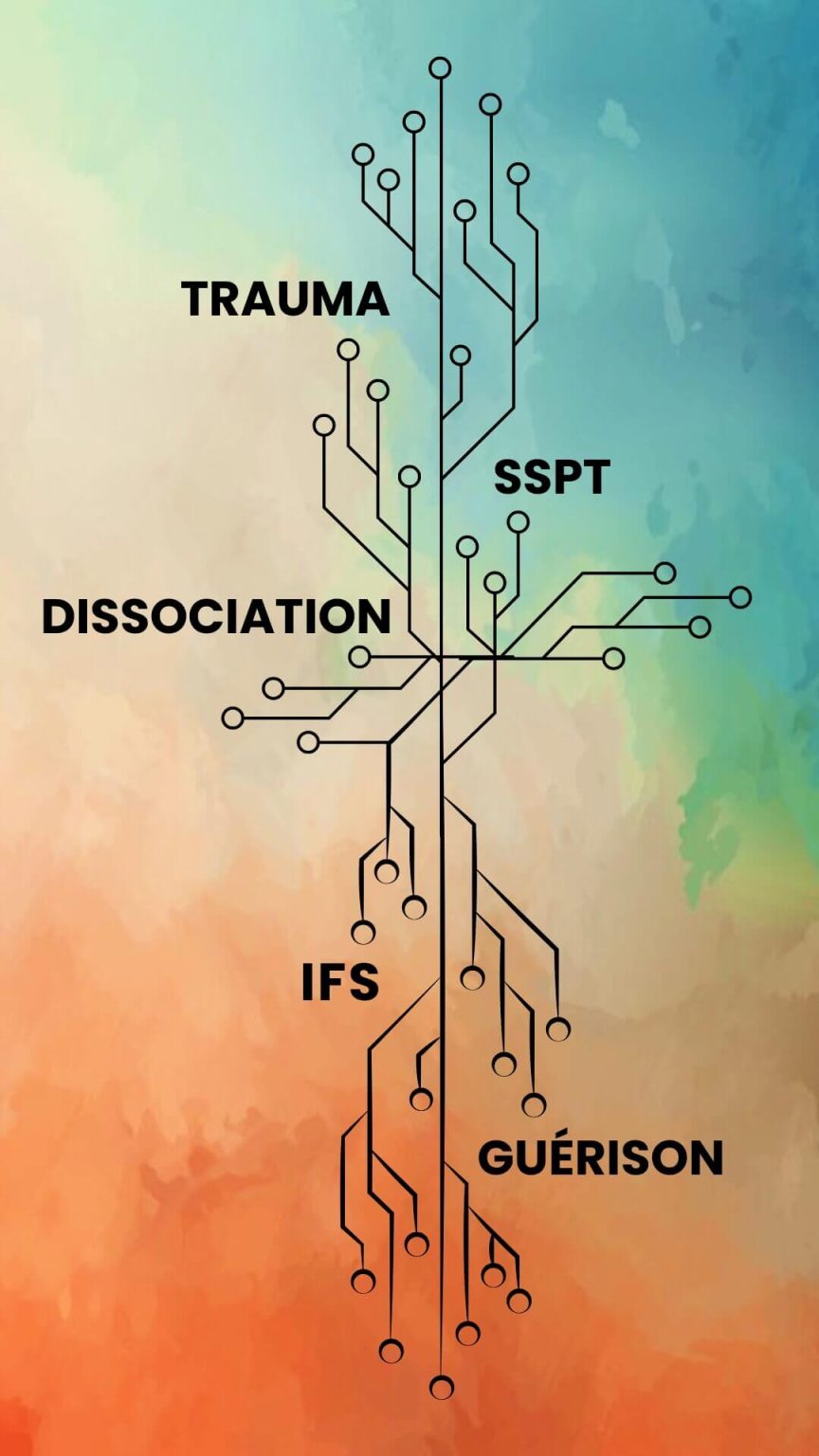
What this program offers you:
From “telling and sharing” to “following and listening”: a challenge for many therapists
Traditional psychotherapy methods are mainly based on talking. Many clients are used to talking to their therapist and telling their story because they know (or think) that this is what is expected of them.
But as an IFS therapist, we don’t expect the client to tell us their story in detail, and we accept that we are not “the one who knows.” We welcome each story with curiosity and kindness, and we embark on a unique journey of inner discovery with our client.
This is therefore a real paradigm shift for both the client and the therapist: to begin to “be with” the inner experience, because from a neuroscientific point of view and with IFS understanding, it is inside of us that dysregulation is found. In our “inner system” and in our central and autonomic nervous systems.
In order to truly reunify this inner network, heal our wounded parts, and transcend our traumas, we must connect with the places where dysregulation occurs, with the parts that carry our wounds (what IFS calls burdens). This involves changing the way we work: stopping talking and starting to listen. And this is a challenge for many therapists.

What IFS brings to therapists
Trauma causes an internal rupture in the attachment bonds between the Self and the parts. Before rushing to heal the wounds, we must first repair these bonds: it is this “internal reattachment” that is the basis of the process that allows us to care for and heal people who have experienced trauma. Trauma is, in essence, a violation of the relationship, both internal and external.
Let us recall the objectives of IFS:
With IFS, we heal and repair internal relationships and increase the person’s ability to manage their external relationships.
But how can we identify and be attentive to our own parts when we are working with someone who has an extreme, intense, even overwhelming reactions? The more complex the trauma, the more complex the clients’ reactions can be, and this resonates in our own internal system. As therapists, we are not neutral. Our own parts are activated, sometimes violently: annoyance, fear, helplessness, the need to control, etc.
Knowing how to recognize, welcome, and validate these activated parts and the role they play in our lives allows us to create more inner space. This is one of the essential skills of the IFS therapist. Frank Anderson insists: we must learn to stay connected to our own system in order to better support that of the other. This is also what it means to practice from the Self.
The greater the trauma, the more the parts block access to the Self.
The parts block what IFS calls the energy of the Self. When we get to know the parts, when they feel validated, when they calm down and step back, the energy of the Self emerges. We work with the parts of clients that manifest themselves to help them access the energy of the Self. The client’s Self can then take the lead, connect with a wounded part, and, through certain well-defined steps in the IFS discharge protocol, help it heal and regain qualities essential to life and fulfillment.
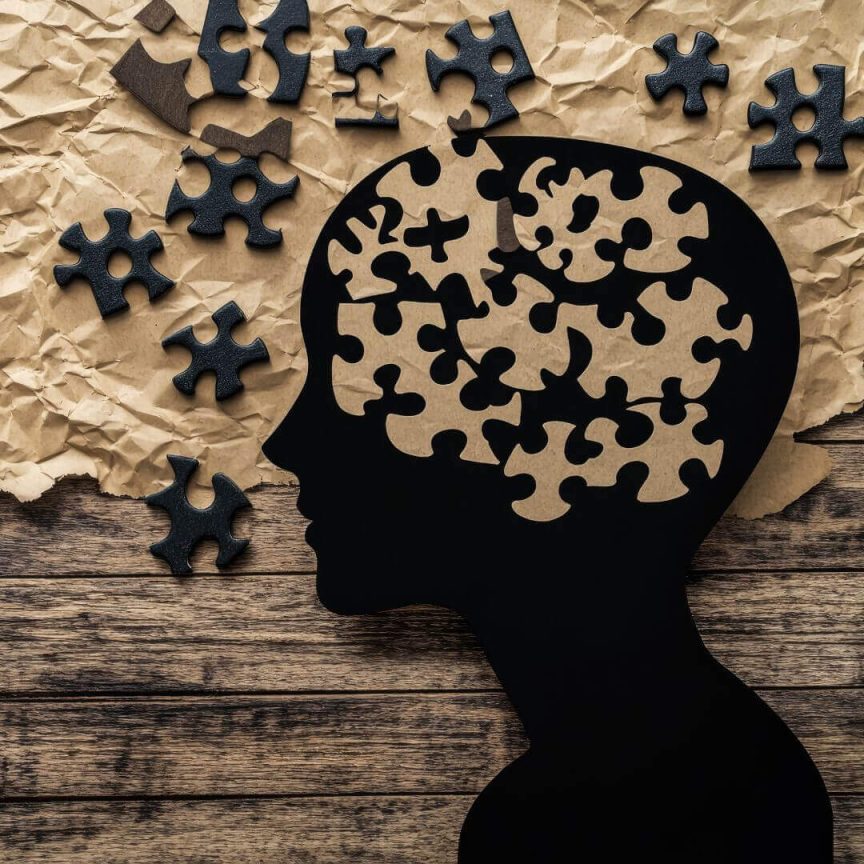
In the case of trauma, accessing the Self and following this healing protocol can be difficult. It is a long process. The more significant the trauma, the more the parts block access to the Self. And often, the parts do not like the Self, because the Self has abandoned them. It is this SELF-PARTS relationship that we must try to repair.
“Is the Self-to-part relationship important in healing?
Absolutely, 100%. But I think the relationship is just as important, not secondary. Personally, I believe that trauma – relational trauma, attachment trauma – happens because of a violation of a relationship and a connection, and I think healing requires both: relationship and connection, internally and externally. I don’t think healing happens in isolation. I think healing must happen in connection.”
Frank Anderson.
Who is this program for?
What will I learn from this program?
…and many other topics addressed by Frank Anderson with passion and relevance: pharmacology and drug treatments, psychedelic-assisted therapy (the pros and cons), gender trauma (with a focus on the LGBTQ+ community), the role of forgiveness, post-recovery support…
As well as exercises, meditations, and excerpts from IFS sessions with clients.
Watch an excerpt from the program
In this excerpt from Module 2, Frank Anderson discusses Dick Schwartz’s creation of the model and the goal of harmonious integration of the parts, which aims not for “perfect unity” but rather for a fluid and kind coexistence between all parts.
Program content
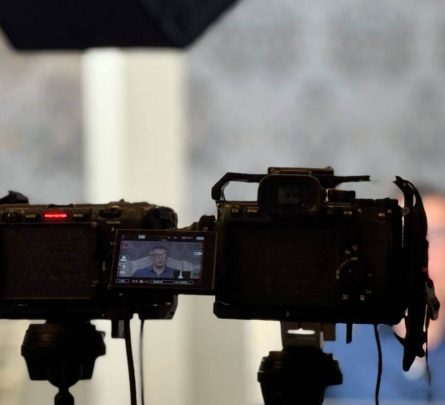
The program includes 12 videos recorded in August 2024 by Marc and Florence in the United States, with high-quality image and sound, for a total duration of 8 hours and 40 minutes of content. Each module is available in the original version and in a French version dubbed by Alex Crépet, an actor who lends his voice to Frank Anderson with talent and passion. The slides presented by Frank Anderson are also provided in PDF format, in French and English.
8 hours and 40 minutes of pre-recorded videos with Frank Anderson
Support materials (PDF slides) for the modules
A Quantum Way production: cinema-quality video and sound
2 versions: a French-dubbed version and an original English version (without subtitles)
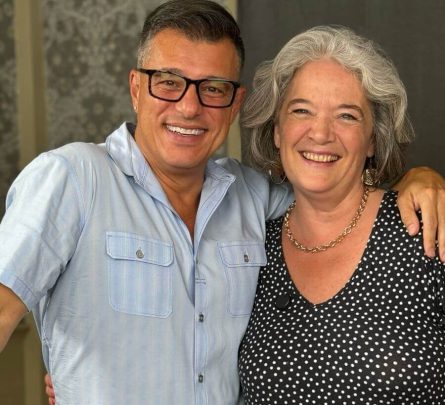
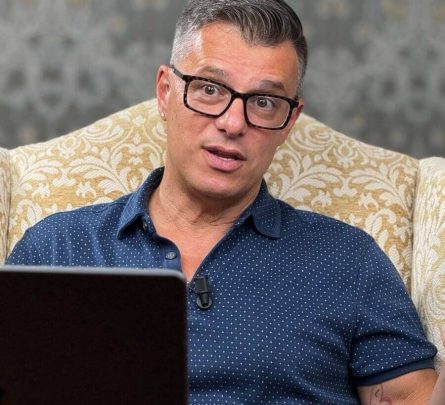
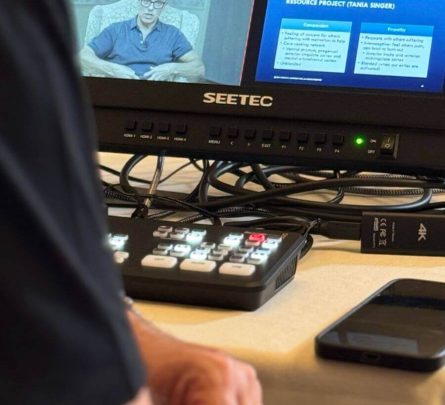
At Quantum Way, we are first and foremost therapists, each trained in our own specialty, with in-depth expertise in attachment issues and the treatment of psychological trauma.
Our mission: to build bridges between researchers, authors, lecturers, and therapists in the English-speaking and French-speaking worlds, in order to make the teachings of inspiring individuals—often English-speaking (but not exclusively so) accessible to all.
Thanks to the close relationships we’ve forged with internationally renowned experts, we’re able to offer our community the opportunity to access their unique teachings.
This program by Frank Anderson is exclusive to Quantum Way, designed in collaboration with Frank and filmed and edited in our own “studios.”
Until now, we have mainly translated and adapted existing programs produced by our partners. Today, we’re going one step further: we’ve decided to create our own programs.
We want to offer you exclusive content, with cinema-quality video and sound, to make your learning experience a truly memorable one.
Sign up for the program
327,00 € TTC
Satisfaction guaranteed or your money back
Purchase your training course or program risk-free and benefit from Quantum Way’s “Satisfaction guaranteed or your money back” guarantee. If you are not completely satisfied, send us an email at info@quantum-way.com with the reasons for your dissatisfaction, within 15 days of your purchase and we will refund you.
At Quantum Way, we’re convinced that you’ll learn a great deal, even more than you imagine.
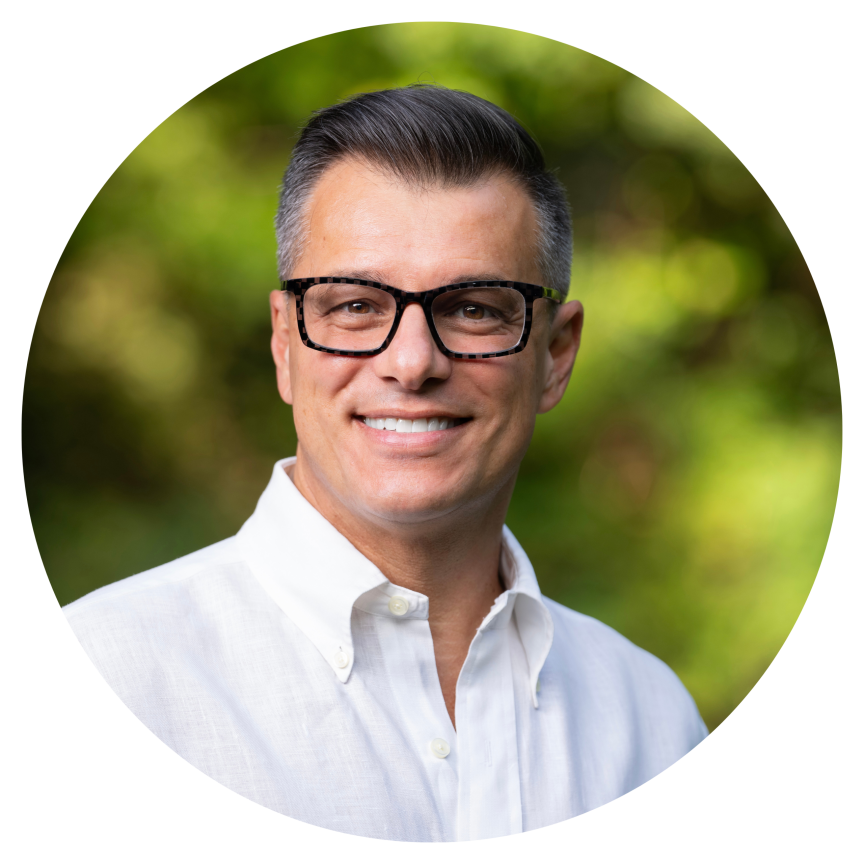
Frank Anderson, MD, is a world-renowned trauma expert, Harvard-trained psychiatrist and global speaker. He is the co-author of theIFS Skills Training Manual (2017) (non traduit en français), acclaimed best-selling author of Transcending Trauma (2021) and newly released memoir,To Be Loved: A Story of Truth, Trauma and Transformation (2024).
Dr Anderson has a long affiliation with Bessel van der Kolk at the Trauma Research Foundation and is a lead trainer at the IFS Institute under Richard Schwartz. He is passionate about teaching brain-based psychotherapy and integrating current neuroscience knowledge with cutting edge models of therapy.
Dr. Anderson believes that traumatic events can have a lasting effect on the health and well-being of individuals and that addressing these events will help lead people down a path of love, connection and unity.
FAQ
In this program, you’ll get:
Yes! After registering, you’ll have lifetime access to the entire program. You can complete the modules at your own pace and return to them whenever you want.
This program was pre-recorded in our studios and includes 12 videos for a total duration of 8 hours and 40 minutes.
This program is available in two languages: the original English version and a French version dubbed by Alex Crépet, an actor who lends his voice to Frank Anderson with talent and passion.
When you register you receive lifetime access to the program on the Quantum Way e-learning platform.
Discount Applied Successfully!
Your savings have been added to the cart.